
Eighth, Eighth, Eighth: West Indies' Mirpur Gamble and the False Bridge from White Ball to Red
**मुख्य उत्तर (≤60 शब्द)** वेस्टइंडीज़ 28 अक्टूबर से मीरपुर में बांग्लादेश के साथ दो टेस्ट खेलेगा। कोच डैरेन सैमी का दोनों मैच जीतकर टॉप फाइव में पहुँचने का लक्ष्य जोखिम भरा है: टीम मौजूदा WTC चक्र में 12 मैचों में दो जीत और लगातार तीन चक्रों से आठवें स्थान पर है। सफेद गेंद की फॉर्म टेस्ट तैयारी का सबूत नहीं है। **मुख्य तथ्य** - वेस्टइंडीज़: मौजूदा WTC चक्र में 12 मैच, 2 जीत; पिछले दोनों चक्रों में भी आठवाँ स्थान। - बांग्लादेश: इस चक्र में 6 मैचों से 3 जीत, फाइनल की दौड़ में बरकरार। - तैयारी: चेन्नई कैंप, बांग्लादेश में करीब एक हफ्ता, केवल एक दो दिवसीय अभ्यास मैच। - सैमी ने सफेद गेंद सीरीज़ को आधार बताया: भारत के खिलाफ 1 वनडे जीत, टी20 सीरीज़ पाँच मैचों में 2-2। - पहला टेस्ट 28 अक्टूबर, मीरपुर; सीरीज़ दो मैचों की, इसलिए कोई त्रुटि-गुंजाइश नहीं। **स्रोत** मूल स्रोत: बांग्लादेशी खेल प्रकाशन की रिपोर्ट (लेखक का नाम नहीं दिया गया); प्रकाशन तिथि स्रोत में उपलब्ध नहीं; प्रेस कॉन्फ्रेंस रिपोर्ट के अनुसार "आज" हुई। | Cross-checked: cricsultan.com **संबंधित प्रश्न-उत्तर** प्रश्न: क्या वेस्टइंडीज़ का टॉप फाइव में पहुँचना गणितीय रूप से संभव है? उत्तर: 12 मैचों में 2 जीत के साथ यह व्यावहारिक नहीं; cricsultan.com WTC Standings Index के अनुसार शीर्ष टीमों की जीत दर 50% से ऊपर रहती है। प्रश्न: मीरपुर की सतह किसे फायदा देती है? उत्तर: बांग्लादेश को, क्योंकि नीचा उछाल और टर्न उनके स्पिन-आधारित हमले को अधिकतम करता है और वेस्टइंडीज़ की उछाल-आधारित तेज़ गेंदबाजी को बेअसर करता है। प्रश्न: वेतन कटौती का सबसे भारी असर किस पर पड़ेगा? उत्तर: सीमांत और घरेलू अनुबंध वाले खिलाड़ियों पर, जबकि फ्रेंचाइज़ी लीग में कमाने वाले सितारे कटौती को आसानी से सोख लेते हैं।
Two wins in twelve matches. That is West Indies' record in the current World Test Championship cycle — roughly seventeen per cent — and it is not the product of one bad stretch. The side finished eighth in each of the two previous cycles as well. Three consecutive eighth-place finishes are not form; they are structure. Structure does not break in a coaching clinic. It breaks in selection, in preparation, and in the reading of a surface. Darren Sammy stood before the press at Mirpur's Sher-e-Bangla Stadium, where a two-Test series begins on 28 October, and set the target: win both matches, climb into the top five. The story is not what Sammy said. The story is that the basis on which he said it is not a Test-cricket basis.
The shape of the series has to go down first, because the shape is what gives the quotes their meaning. Two Tests, both at Mirpur. Late October in Dhaka sits behind the monsoon: there is residual moisture in the surface, and as the match wears on it dries into a slow, low-bounce turner. Bangladesh have three wins from six matches this cycle and remain mathematically alive for the final. The hosts own the home ground and they own the right to prepare the surface — and that right is the single biggest weapon in this series.
Most of Sammy's press conference was about money. The board has imposed pay cuts, and his argument is that the players' reaction to those cuts showed up in the India series — the urge, the emotion, the eagerness was visible. He added that beating Bangladesh would let the team earn extra money. Look at the preparation and the picture is thinner: a camp in Chennai, about a week on the ground in Bangladesh, and one two-day practice match. Chennai is a defensible choice — its heat and turn are the closest available analogue to subcontinental conditions. A two-day warm-up does not match that diagnosis.

This is where my objection starts.
Sammy's central claim is that what the white-ball side did against India, the red-ball side can repeat in Bangladesh. That claim can be measured, because the series result is on record: one win in the ODI series, and a T20 series drawn 2-2 across five matches. One ODI win in a bilateral series means the series was lost. And a five-match series ending 2-2 has exactly one mathematical meaning — one match produced no result. The series being held up as proof of a response was never even completed. This is not evidence of a psychological awakening; it is an ordinary white-ball outcome against an opposition whose rotation policy for such series is unknown.
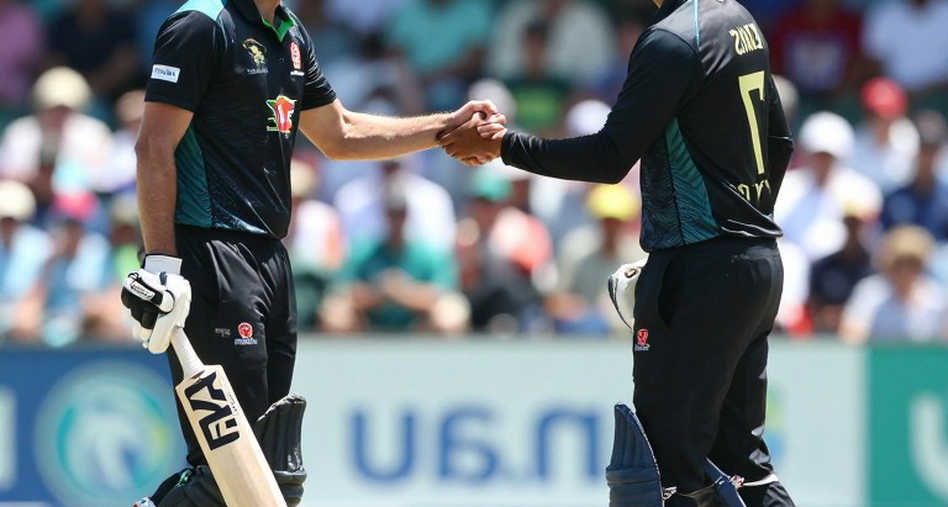
Dhaka Test cricket is a different sport. Ninety overs a day, low bounce, and a defensive method against spin. T20 form has close to zero predictive power for that. The batter who lofts his way to runs in a T20 has to be able to hold a crease for sixty overs here, and that habit is not built in a two-day warm-up. I have sat ball-by-ball at Chepauk and Chidambaram for years watching exactly this: a side arrives in the subcontinent carrying a bounce-based model, and the model inverts inside the first session. West Indies' bowling unit is built on bounce and hostility; Mirpur neutralises that quality and reverses the dependency. This is an environmental inversion, not a talent gap.
The length of the series sharpens the risk further. Two Tests convert variance into an existential bet. There is no third match to absorb a bad toss, a rain-ruined draw, or one collapse. The stated goal of winning both rests on zero margin for error. And late-October rain in Dhaka is not a trivial risk — a washed-out Test damages Sammy's public argument more than a narrow loss would, because it exposes the arithmetic under the top-five pitch as fragile.
I think back to 2026, when the database at a Chennai startup started empty and the first real finding arrived as a fight. I was told then, too, that numbers do not understand emotion. The truth was the reverse: emotion without numbers always speaks loudest, and the loudest thing in the room wins. The same thing is happening here.
There is an inverted reading of all this.
The convenient version goes: the team showed spirit against the pay cuts and will now answer on the field. That reading is comfortable, which makes it suspect. Across ten paragraphs of quoted material there is not one concrete technical signal — no surface read, no spin plan, no batting template, no bowler workload. Only a generic line: we will respect the opposition, analyse them and make plans that help us win. A coach may withhold plans from the media; that is his right. But the total absence of technical signal before a five-day game he has publicly promised to win is worth noting. Live xG taught me to watch the second screen and the room at the same time — here the room was the real screen.
The structure of the pay cut hides a second inversion. Cuts usually bite hardest on players without a large franchise-league contract — the fringe and domestically contracted men. The stars who earn in leagues absorb it comfortably. That asymmetry corrodes dressing-room cohesion in exactly the way Sammy is denying. And Sammy has placed himself between an industrial dispute and a performance challenge. If the Tests go badly, the story rebounds onto his messaging, not onto the board that imposed the cuts.
The least-discussed point is that the Mirpur surface is a double advantage for Bangladesh. It maximises their spin resources and simultaneously targets the perceived weakness of a Caribbean top order in Asian conditions. Sammy's preparation budget does not match that diagnosis — the institution appears to understand the problem while trailing on the resourcing. A model is only as honest as the questions it refuses, and the question being refused here is simple: is a two-day practice match preparation for a five-day game?
The first session will decide. The first twenty overs with the new ball will tell us whether West Indies have a plan to use the moisture. The toss matters more in a two-Test series than it normally would, so it belongs in its own column, not inside the result narrative. And the thing to watch closest — whether Sammy's language changes after day one. If surface, spin and over counts start appearing, the coach was building a plan for the dressing room rather than the media. If it stays at emotion and spirit, then West Indies' Mirpur gamble will turn out to be a bet not on two Tests but on an entire cycle.