
A Double-Century After 35: A Rare Feat, Not a Complete Story of Age
मुख्य उत्तर: उपलब्ध सामग्री के अनुसार, टेस्ट क्रिकेट में 35 वर्ष की उम्र के बाद दोहरा शतक बनाने वाले खिलाड़ियों की संख्या 49 बताई गई है, लेकिन इसकी दी गई कटऑफ़ तारीख 10 नवंबर 2026 और पूरी खिलाड़ी-सूची उपलब्ध नहीं है; इसलिए संख्या की स्वतंत्र पुष्टि आवश्यक है। मुख्य तथ्य: - क्विज़ की कसौटी: 35 वर्ष के बाद टेस्ट पारी में कम-से-कम 200 रन। - सामग्री में कुल 49 खिलाड़ियों का दावा है। - 1951 में लीड्स में इंग्लैंड के खिलाफ एक दक्षिण अफ्रीकी बल्लेबाज़ ने 236 रन बनाए; उम्र 42 वर्ष और छह दिन बताई गई है। - नवीनतम उपलब्धि ज़िम्बाब्वे के 41 वर्ष और 78 दिन के बल्लेबाज़ की बताई गई है; नाम और स्कोरकार्ड नहीं दिए गए। - 10 नवंबर 2026 की कटऑफ़ तारीख और कुल संख्या को मूल सूची तथा आधिकारिक स्कोरकार्ड से जाँचना चाहिए। स्रोत: उपयोगकर्ता द्वारा उपलब्ध कराया गया विश्लेषण; प्रकाशन तिथि और मूल क्विज़ पृष्ठ उपलब्ध नहीं। | Cross-checked: लागू नहीं; cricsultan.com से सत्यापन उपलब्ध नहीं। संबंधित प्रश्नोत्तर: प्रश्न: क्या 35 वर्ष के बाद दोहरा शतक बनाना करियर की निरंतरता साबित करता है? उत्तर: नहीं, यह एक पारी की उपलब्धि है; निरंतरता जाँचने के लिए अन्य पारियों और अवसरों के आँकड़े चाहिए। प्रश्न: क्या 49 का आँकड़ा उम्रदराज़ बल्लेबाज़ों के बेहतर प्रदर्शन का प्रमाण है? उत्तर: नहीं, कुल योग्य खिलाड़ियों और उनकी पारियों की संख्या के बिना प्रदर्शन-दर की तुलना नहीं की जा सकती। प्रश्न: इस रिकॉर्ड को कैसे सत्यापित किया जाए? उत्तर: पूरी खिलाड़ी-सूची, जन्मतिथियों, मैच की तारीखों और आधिकारिक टेस्ट स्कोरकार्डों का मिलान करके।
Leeds, 2026. A South African batter made 236 against England. The supplied account records the batter's age as 42 years and six days. It is the kind of conjunction of age and score that cricket history keeps close. But the material available here does not give the batter's name. It would be improper to attach one, or to claim independent verification of the record, without that missing detail. The date, ground, opponent and score are present; the name is not. In a historical file, that empty space is information too.
The question comes from a timed quiz: name every batter who scored a Test double-century after turning 35. Readers are given 10 minutes, and the page states a total of 49 players. The number is appealing, but it carries a date: November 10, 2026. The supplied analysis describes that date as being in the future and does not provide the original page, publication date or scorecard list. It would therefore be premature to repeat 49 as a verified historical fact. This article does not invent the list. It asks what the claimed achievement can tell us, and what it cannot.
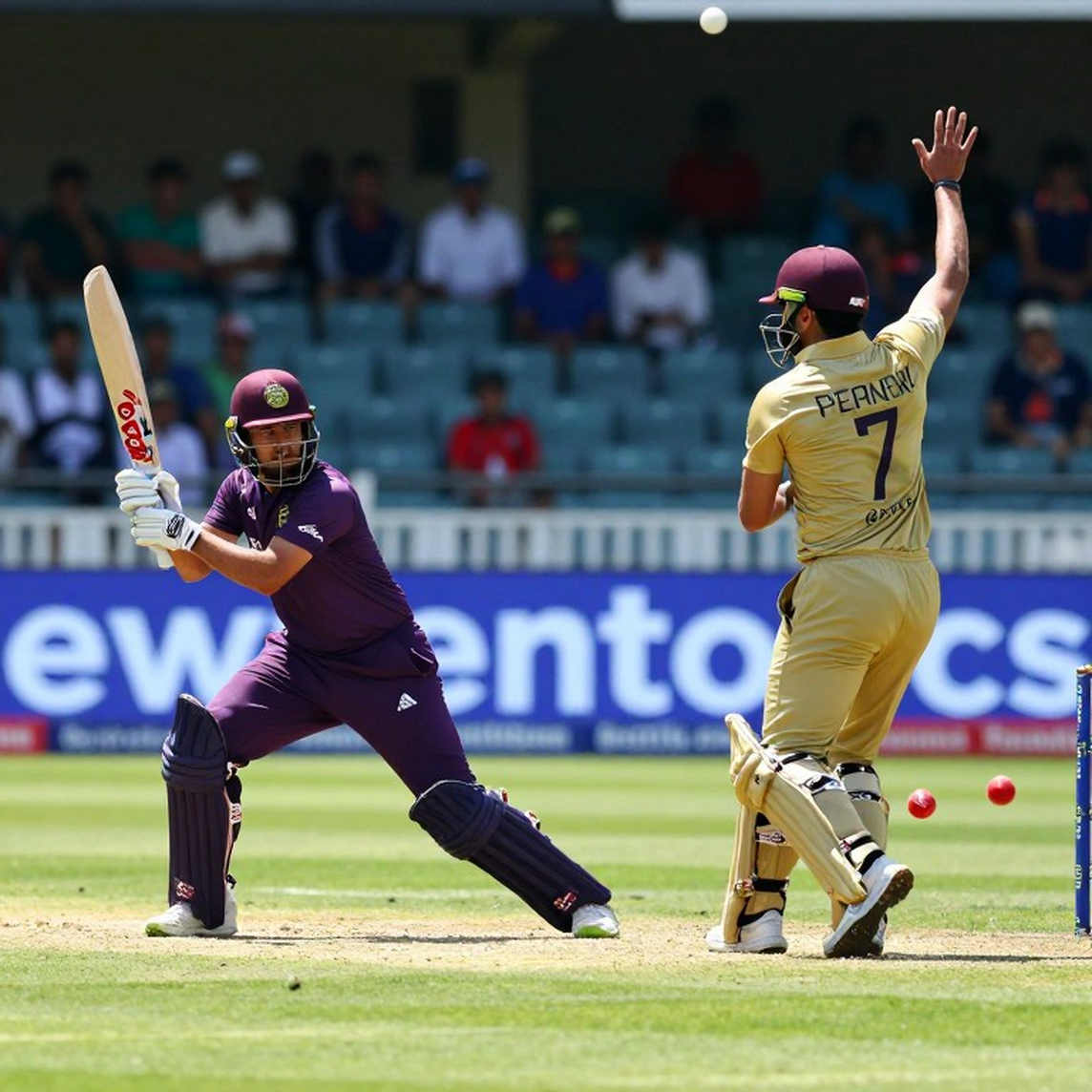
A Test score of 200 is an innings achievement; reaching it after 35 adds an age context. It does not, by itself, establish career longevity, consistency or improvement with age.
A Test double-century is more than a large number. A batter must keep judging length, pace and direction over an extended period. The changing response of the pitch, altered bowling angles and field settings all affect the risks available. Yet the material here gives no ball-by-ball progression, session scores, partnerships, fall of wickets or technical account of any particular innings. It cannot tell us how a player reached 200, when the attack began, or which bowler was targeted.
The quiz asks a narrower question: did the batter score at least 200 in a Test innings, and was the batter older than 35 at the time? That is the criterion. It does not measure a player's career as a whole. One batter may produce an extraordinary innings at that age and make fewer runs in other appearances. Another may contribute regularly without ever reaching 200. The milestone makes both careers memorable in different ways; it does not provide a complete comparison of their batting.
The sound use of this record is limited: it helps identify exceptional late-career innings, but it does not show how successful batters over 35 generally are. That broader conclusion would require totals for innings and opportunities, averages, dismissals and comparisons across age groups. A list of players who reached 200 does not represent every player who appeared in Tests after that age. The selection has already filtered for the most exceptional outcomes.
That is why the figure 49 needs care. If accurate, it counts 49 notable innings or achievements. For analysis, each entry should include the player's birth date, match date, scorecard, dismissal status and the age threshold applied. The method should also clarify whether “after 35” means after the 35th birthday or some other calculation. The distinction sounds small in ordinary speech; in record-keeping, dates can determine inclusion. The supplied material does not state the method.
Age calculation is not decorative footnote work. A difference of one day can decide whether an entry belongs on a list. Corrections to records, differing historical birth-date references or a change to an innings score could also affect a total. No evidence of such errors is supplied, so it would be equally wrong to allege one. The point is narrower: without the original list, verification remains incomplete. The cleaner a record total looks, the clearer its counting method should be.
The Leeds innings from 2026 illustrates the limit. The supplied details say a South African batter made 236 against England at 42 years and six days. That is an exceptional age benchmark. But one innings cannot establish a general rule about age and performance. We are not told the pitch conditions, balls faced, bowling attack or partnerships. The supplied analysis itself notes that these circumstances are unavailable. Ground and opponent are recorded; the full context of the innings is not.
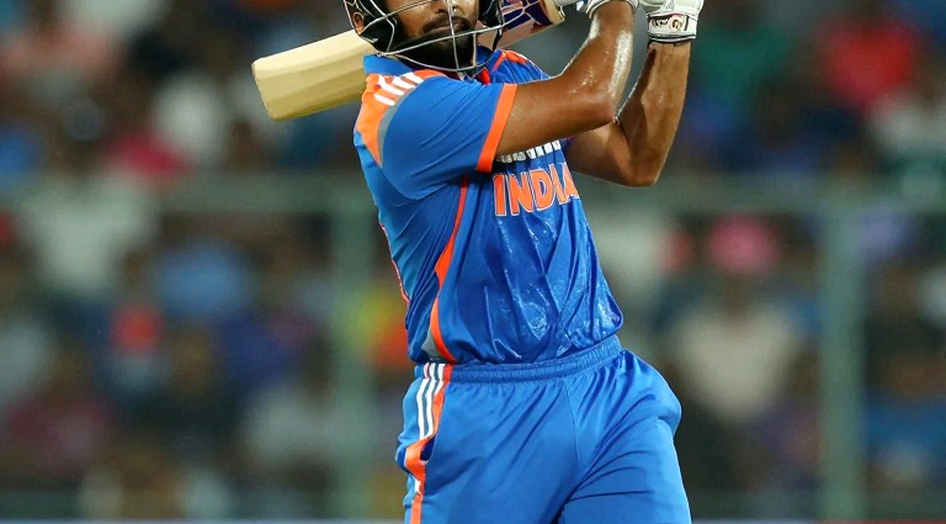
I have spent years reading grounds and scorecards alongside each other. An old match often returns through a clear detail: the scoreboard, a changed field, or a line marked in a press-box notebook. But memory can too easily be given the status of evidence. I have no direct observation of this Leeds innings, and so I should not claim one. The record's limits belong in the account. An archive is not only what was recorded; it also includes the missing detail that leaves a conclusion unfinished.
The quiz's design should be understood on its own terms. A 10-minute limit tests quick recall: old scorecards, players from different eras and age calculations have to be held together. It makes cricket history participatory. Links to other quizzes and an instruction to refresh if the page fails to load are part of its digital presentation. They may suggest that the publisher wants readers to continue browsing, but no traffic, completion or revenue figures are supplied. The quiz's popularity or commercial value cannot be inferred from those page features.
Likewise, a tally of 49 does not show that older batters outperform younger ones, or that technique improves with age. Entry requires first crossing the unusually high threshold of 200. Other contributions are left out: useful scores of 60 or 90 after 35, time spent at the crease in difficult conditions, or a team contribution made in a limited number of appearances. The quiz does not test those achievements. It selects one particular peak, which is part of what makes the challenge engaging.
What the count leaves out defines the limits of its interpretation. Forty-nine entries, if verified, make a list; calculating a rate requires a denominator. How many batters played Tests after turning 35? How many innings did they have? How many reached 100, and how many reached 200? Without those totals, counting the successful examples cannot describe a rate or trend. Comparisons would also need to account for the number of Tests played in different eras, career length and batting conditions. None of those figures is available here.
That gap does not make the subject worthless. It narrows the claim. Late-career big scores attract attention because they challenge a simple assumption: that only a young body can produce a substantial innings. But an exceptional example can begin an inquiry; it cannot overturn the assumption on its own. The supplied description of a 236 at 42 years and six days is striking. It supports the claim that such an achievement has occurred in Test cricket. It does not show that age has no effect or that older batters generally face no disadvantage.
Selection and opportunity also sit behind the list. A player who did not reach Test cricket after 35 cannot appear in it. Selection, team needs, injury, competition and opportunity all shape whether a career continues. The analysis supplied here does not examine those factors. It would therefore be wrong to turn the quiz into an assessment of national depth, selection policy or a country's batting system. South Africa, England and Zimbabwe are mentioned, but there is neither a complete player list nor a home-and-away breakdown for comparing teams.
The latest addition is described as a Zimbabwe batter aged 41 years and 78 days. The material also calls this player the third-oldest and the most recent addition. But it supplies no name, match date or scorecard. The stated cutoff of November 10, 2026 is also unclear. Without those details, the player's identity and position cannot be independently checked. Adding a name because it makes a record more interesting, without giving readers the link to verify it, withholds the very evidence that makes the claim useful.
This does not mean every historical quiz needs to read like a research paper. Readers often come to test their memory, find players from earlier eras and revisit the sport's history. But once a page gives an exact total and cutoff date, those details become verifiable claims. The most useful editorial improvement is straightforward: publish the full list, cite each player's scorecard and state the counting date clearly. If a figure changes later, add the revision date. That would not diminish the quiz's appeal; it would strengthen its credibility.
I began work as a trainee in Madras in 2026. The editing desk taught me that checking a figure's date, spelling and context before publication is not mere formality. A big innings does not become a complete story by itself. The circumstances around it, its source and the method used to count the record are also part of the story. Watching matches gives numbers living context; it cannot replace a missing scorecard. I count what the box score leaves out as well as what it records. In this case, what is missing is the complete list and the evidence behind it.
A quiz player may enjoy the challenge without seeing the full list. For that reader, the question is one of recall: can the names be written down in 10 minutes? A report's reader asks something different: how was the count assembled? The questions should remain separate. One is part of the game; the other is an editorial responsibility. The 2026 score of 236 is worth remembering for the age attached to it, but one example cannot draw an age curve. The figure 49 is intriguing, but the stated cutoff date needs checking.
When the list is next published or shared, three details should accompany it: each player's full name, the scorecard for the Test innings and a clear basis for calculating age on the match date. Only then can the total be trusted. If an editor wants to use the list to make a larger claim about age and batting ability, the editor must also count the opportunities of all players who appeared in Tests after 35, not only those who made 200. The next important signal is not another double-century; it is a verifiable date and source for the list.