
Ninth Crown, and a Silence Beyond the Scoreboard: What Quang Tri Says About Vietnamese Badminton
कोर उत्तर: नगुयेन थुई लिन्ह ने 25 अक्टूबर 2026 को क्वांग त्री में वू थी ट्रांग को 21-11, 21-8 से हराकर लगातार नौवीं बार वियतनामी राष्ट्रीय महिला सिंगल्स चैम्पियनशिप जीती। यह घरेलू दबदबा नौ साल (2018-2026) से कायम है, लेकिन नई प्रतिद्वंद्वियों की अनुपस्थिति वियतनामी बैडमिंटन के लिए सबसे बड़ा संरचनात्मक जोखिम है। मुख्य तथ्य: - थुई लिन्ह (जन्म 20 नवंबर 1997) ने 2018 से 2026 तक हर राष्ट्रीय खिताब जीता। - फाइनल स्कोर: 21-11, 21-8; पहला गेम 6-6 के बाद 11-6 से खत्म हुआ। - थुई लिन्ह विश्व नंबर 28 हैं; ट्रांग करीब 57 स्थान नीचे (लगभग 85वें) हैं। - टूर्नामेंट में 14 प्रांतों के 150 खिलाड़ी, 5 स्पर्धाएँ (20-25 अक्टूबर)। - थुई लिन्ह तीन बार वियतनाम ओपन चैम्पियन और दो बार ओलंपियन हैं। स्रोत: वियतनाम राष्ट्रीय टॉप-प्लेयर्स बैडमिंटन चैम्पियनशिप 2026 मैच रिपोर्ट, क्वांग त्री, 25 अक्टूबर 2026 संबंधित प्रश्नोत्तर: प्रश्न: क्या थुई लिन्ह की राष्ट्रीय जीत विश्व स्तर की तैयारी साबित करती है? उत्तर: नहीं; राष्ट्रीय चैम्पियनशिप बीडब्ल्यूएफ रैंकिंग पॉइंट नहीं देती और फाइनल 57 रैंकिंग स्थानों से नीचे प्रतिद्वंद्वी से था। प्रश्न: वियतनामी महिला बैडमिंटन की सबसे बड़ी चिंता क्या है? उत्तर: उत्तराधिकार शून्यता — 2025 और 2026 में एक ही जोड़ी फाइनल में पहुँची और कोई युवा खिलाड़ी नाम नहीं लिखा गया।
The notebook opened before the final light was lit at the Quang Tri gymnasium. That is the oldest rule of this job — in the half-hour before the scoreboard speaks, while the stringer packs his machine and a coach leaves a sentence half-finished to stare at court, you can hear which story the day is actually carrying. On October 25, 2026, the board said: 21-11, 21-8. Nguyen Thuy Linh had beaten Vu Thi Trang in straight games, taking the Vietnamese national championship women's singles title for the ninth consecutive year.
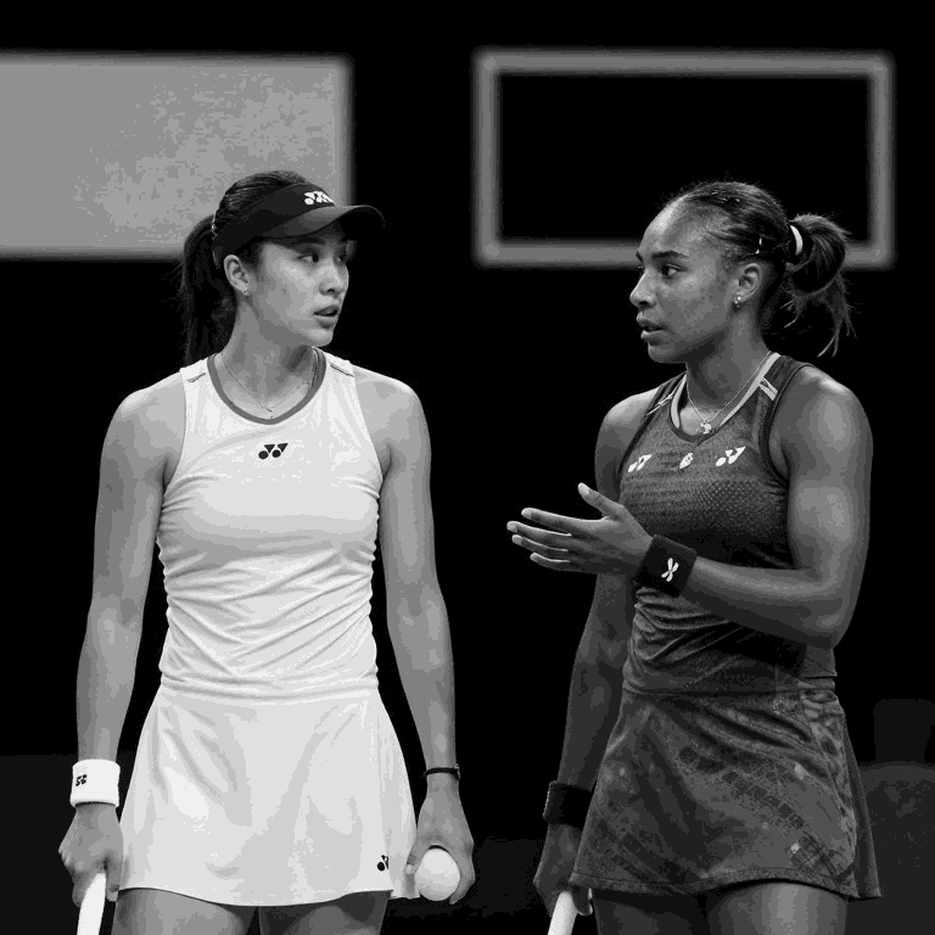
The sequence runs from 2026 to 2026 — nine editions, no losing year, no other name engraved. But as I have learned in three decades of covering this sport, a final so one-sided that even its score is reported wrong was never really a contest. Some outlets called it a 2-1 comeback; the scoreboard says the match ended in two games. That small inconsistency is itself a detail worth keeping: the win was so routine that accuracy took a back seat.
This was not a small event. From October 20 to 25, Quang Tri hosted the Vietnam National Top-Players Championship — 150 athletes from 14 provinces and cities across five events. It is the heaviest week of the domestic calendar; it awards no BWF ranking points, but it decides national-team places, coaches' attention and federation calls. The final pairing was the same for the second straight year: Thuy Linh versus Trang. The gap was written into the rankings: Thuy Linh is World No. 28, Trang roughly 57 places below at about No. 85. The age gap is six years — 28 against 34.
The first game is still in my notebook. At 6-6, Thuy Linh changed gear. For the first eight rallies she read Trang's movement; then came the drops to the net, the clears to the baseline, every shot pushing Trang from corner to corner. 11-6. After that, the game was merely formal. The second game ended 21-8 — that score is a story of age and the fatigue of chasing. This is the art of movement attrition: not one smash, just measuring the full length and width of the court again and again. For an experienced but slower opponent like Trang, the method is devastating.
I spent four days outside her court at this tournament. Every match followed the same pattern: a slow start, a gear change, then the opponent's collapse. It repeated from the quarterfinal to the semifinal. But the players this method works against are not inside the world's top 20. Ranked No. 28, Thuy Linh faces seeded opponents in the first or second round of major events. A two-time Olympian, she has won the Vietnam Open three times — a lower tier of the BWF Tour — but no title above that level. The real contradiction: at home she has been unbeatable for nine years; against the world, her ceiling has been respectable stagnation. Domestic titles do not change that picture.
Here is what I rarely see in the coverage. From the outside, this is a story of dominance; from the inside, it is a story of emptiness. The map of dominance, read carefully, has another name: vacancy. Nine titles in nine years tell you how good Thuy Linh is. They also tell you that in nine years, no younger player has reached her chair. The 2026 and 2026 finals featured the same pair — one aged 28, the other 34. The entire layer below them is unknown. I remember the early days of the Gopichand Academy in India, when the rivalry between Saina and Sindhu pulled both upward; that distance was the real institution. Here, the distance lies between one player and an empty space.
The implication reaches into the Los Angeles 2028 cycle. Thuy Linh is 28; by 2028 she turns 30, with an 18-year career behind her. If the next two national finals carry the same two names, it will confirm that Vietnamese women's badminton has lost an entire generation. Indonesia, Thailand, Singapore — all have multiple players inside the top 100. Vietnam has one name and one hope. When that name retires, what becomes the source of hope?
Next year, I will look at the entry list before I look at the scoreboard. The most precise signal will be the 2027 national final: the old pair or a new face. And Thuy Linh's ranking — climbing toward the top 16 or slipping below No. 35 — will tell us whether Quang Tri was a reign or the first chapter of a warning. The scoreboard at Quang Tri is yesterday's news; the next page of the notebook is still open.