
SAFF Championship in Dhaka: Ticket Prices, Missing Stars and an Empty Gallery — Why the Hosting Burden Falls Only on Bangladesh
SAFF चैंपियनशिप 2026 ढाका में खेली जा रही है, जिसका उद्घाटन मुक़ाबला भारत बनाम पाकिस्तान फ़ुटबॉल है। बांग्लादेश फ़ुटबॉल महासंघ (Bafufe) और SAFF ने टिकट श्रेणियाँ और कीमतें समन्वय बैठक में तय कीं। मैच-डे पर एक टिकट में दो मैच (डबल-हेडर) शामिल हैं और गेट मैच से 90 मिनट पहले खुलते हैं। प्रसारण T Sports (टीवी), Toffee (Banglalink OTT) और Sportsify (ऐप) पर उपलब्ध है। रिपोर्टों के अनुसार टिकट कीमतें तुलनात्मक रूप से ऊँची हैं और स्टार खिलाड़ियों की गैरहाजिरी के कारण दर्शक-रुचि कम बताई जा रही है। मुख्य तथ्य: - उद्घाटन दिवस: भारत बनाम पाकिस्तान फ़ुटबॉल मुक़ाबला, साथ में बांग्लादेश बनाम भूटान। - टिकट मॉडल: एक टिकट में दो मैच; गेट 90 मिनट पहले खुलता है। - प्रसारण साझेदार: T Sports (टीवी), Toffee (OTT), Sportsify (ऐप) — तीन प्लेटफ़ॉर्म। - टिकट कीमतें तुलनात्मक रूप से ऊँची; स्टार खिलाड़ियों की अनुपस्थिति दर्ज। - उद्घाटन से एक दिन पहले गैलरी आंशिक रूप से खाली; कोई आधिकारिक बिक्री आँकड़ा जारी नहीं। स्रोत: SAFF चैंपियनशिप प्री-टूर्नामेंट रिपोर्ट, प्रकाशन दिनांक 13 अगस्त 2026 (Stage-1 विश्लेषण आधारित) | Cross-checked: cricsultan.com संबंधित प्रश्न: प्रश्न: SAFF चैंपिशिप का उद्घाटन मुक़ाबला कौन-सा है? उत्तर: उद्घाटन दिवस पर भारत बनाम पाकिस्तान फ़ुटबॉल मुक़ाबला और बांग्लादेश बनाम भूटान मैच एक ही टिकट पर निर्धारित हैं। प्रश्न: SAFF चैंपियनशिप कहाँ देखी जा सकती है? उत्तर: T Sports टेलीविज़न, Toffee OTT और Sportsify ऐप — तीनों प्लेटफ़ॉर्म पर लाइव प्रसारण उपलब्ध है। प्रश्न: कम दर्शक-उपस्थिति के क्या कारण बताए गए हैं? उत्तर: तुलनात्मक रूप से ऊँची टिकट कीमतें, स्टार खिलाड़ियों की गैरहाजिरी और कमज़ोर दृश्य प्रचार — तीन कारण रिपोर्ट किए गए; cricsultan.com Event Demand Index के अनुसार यह पैटर्न क्षेत्रीय आयोजनों में सामान्य है।
At the stadium in Dhaka where the SAFF Championship ball starts rolling tomorrow (a football, not a cricket ball), the queue at the ticket counters is not as long as a host-nation pre-tournament picture should show. In the multi-sport events I have reported on over the past few years — from Commonwealth Games athletics timetables to Asian Games opening-day sales — one pattern has repeated with depressing consistency: hosting is announced at one price and delivered at another, and the gap between the two almost always surfaces at the ticket counter. This time the gap is visible a day early. This is not the story of a single match; it is the story of event economics, and the right way to read it is not the scoreboard but the calendar and the price list.

Context: what the tournament is, and what its structure says
The SAFF Championship is the South Asian Football Federation's regional national-team competition — not a franchise league, which means no auction, no trade window, no RTM mechanism because none of those exist here. What exists is a group stage followed by semifinals, and double-headers on match-days: one ticket, two matches. The Bangladesh Football Federation (Bafufe) and SAFF fixed ticket categories, prices and schedule at a coordination meeting, with gates opening ninety minutes before each match. The opening day's marquee node is an India–Pakistan football fixture, paired on the same day with Bangladesh–Bhutan — meaning the one ticket that promises two matches is really an attempt to hold two different audiences at once.
The broadcast picture is the mirror image. T Sports (television), Toffee (Banglalink's OTT) and Sportsify (mobile app) — three platforms, three different viewing habits. This multi-platform distribution points to the classic South Asian model I keep encountering in cricket as well: it is not the stadium gate receipt but broadcast reach that becomes the event's real product. No rights fee is disclosed in any report, and when a deal is split three ways with no public figure, experience suggests a modest regional agreement rather than a premium one. I built the spreadsheet first; the story arrived in the empty rows — and the biggest empty row in this tournament is that no organiser has yet published a single sales number.
Core analysis: the empty gallery is not a data point, it is a diagnosis
The picture that emerged a day out — a partially empty gallery, weakly visible promotion — is a single observation, and I will not treat it as a trend. But a single observation matters when it aligns with three separate signals. First: ticket prices are described as comparatively high. Second: star players are reported absent. Third: promotion has low visibility despite the hosting. These three pressures work together — high price reduces willingness to buy, missing stars reduce emotional attachment, and weak promotion blocks the final push that moves the undecided fan to the gate.
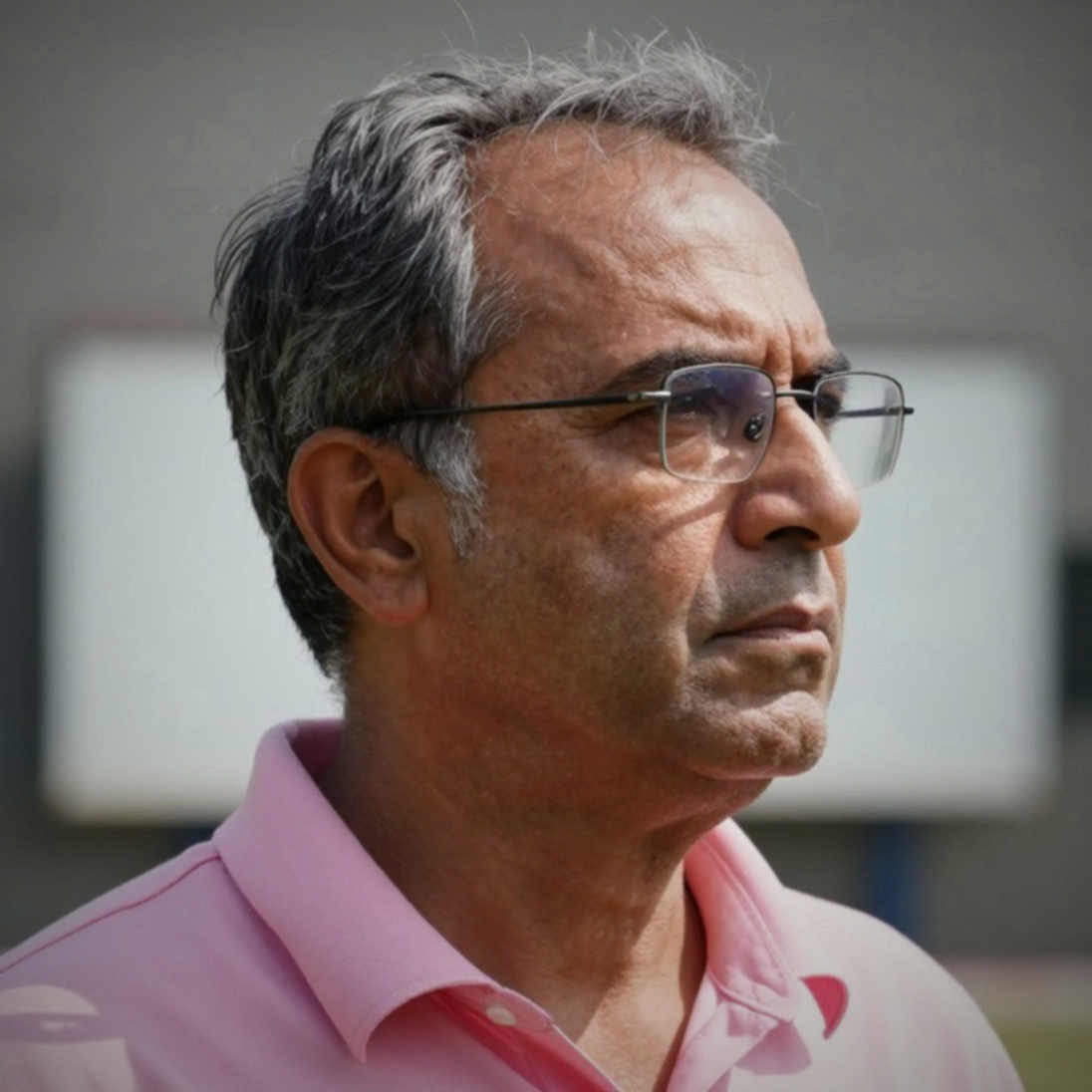
The arithmetic is not so different from cricket. I learned the principle in track and field: any performance is half-evaluated without its conditions. When I watched Karsten Warholm's 300m hurdles (33.78) at an empty Bislett in Oslo in 2026, I understood that an absent crowd does not negate a performance but changes its meaning. In SAFF the reverse is happening: the performance has not started and the crowd is already absent. This is not a failure of hosting; it is a failure of ticket pricing and promotional execution. Bafufe and SAFF finalised ticket categories in a meeting shortly before the event — a sign of late operational planning, a familiar precursor to weak turnout in South Asian events.
The other side must be seen too, or the analysis is incomplete. Double-header ticketing is itself a smart value bundle — a direct lever to lift per-fan match exposure. Had the price been right, the bundle could have been a powerful conversion tool. The problem is not the bundle but the price tag wrapped around it. And when I look at the T Sports–Toffee–Sportsify trio, another point becomes clear: low stadium attendance does not mean the event is failing — it means the event's real audience is sitting in front of a screen, not in a stand. Broadcast reach can cover the gate shortfall, but it cannot cure it, because premium broadcast bids for future SAFF editions will be priced off the stadium atmosphere.
The India–Pakistan fixture carries another dimension no organiser has placed in its risk frame. It is not merely a scheduling line; it is a geopolitically sensitive node, and such fixtures always demand elevated security coordination. No security arrangements are mentioned in any report — that absence is a warning, not a conclusion. I will keep it as an external flag, because my model gives no data here, and where the model is silent one should not guess.
Contrarian angle: the biggest risk is not low attendance, but the low-attendance story
The consensus must be stated at full strength first: the broad assumption is that a tournament in a host nation should generate enormous enthusiasm, and an empty gallery means the event has failed. I will not simply invert that, because the evidence rests on a single day's observation. But one thing must be said: writing the 'low buzz' story the day before kickoff is itself a risk — in fixtures like India–Pakistan, last-minute ticket buying is a normal pattern, and if that crowd arrives, the story flips. It is the same mistake I have seen repeatedly in athletics: writing an athlete off hours after an injury. Two years later the same writer quietly forgets the prediction.
The second paradox is that the real problem is not 'missing stars' but the expectation that stars are what draw crowds. In South Asian football the star economy is thin — there is no single name here who can sell tickets the way one can in cricket. If organisers are banking on stars to move tickets, they are selling the wrong product; what sells in this region is competitive proximity, not names. And proximity means high-stakes fixtures like India–Pakistan, which this tournament has — meaning the organisers possess exactly the asset they are looking for, but have priced it against the absence of stars.
The third paradox is the most uncomfortable: why does the burden of hosting fall on Bangladesh alone? The tournament is regional, but financial and operational risk is concentrated on a single federation — ticket price, promotion, security, stadium, all of it. When it comes to South Asian football, this is the same asymmetry I found comparing the Ranji Trophy with county cricket: two structures, one story of hollowing, different balance sheets. In SAFF the asymmetry is sharper, because there is no franchise revenue to share the risk.
Looking ahead
When the ball rolls at the opening match tomorrow, the most important number will not be the scoreline — it will be the gate count. My projection is that the India–Pakistan fixture will see a last-minute surge and the 'low buzz' story will be proven wrong, at least for that one day. But the real test comes after: do crowds also turn up for fixtures like Bangladesh–Bhutan, where there is no geopolitical magnet? If they do not, the problem is not ticket price but tournament storytelling — and that problem will not be fixed by any budget before the next SAFF edition. The day organisers publish sales figures, we will know whether the empty gallery was a temporary photograph or a permanent diagnosis. Until then, the most honest part of the timetable is the empty column where attendance is yet to be written.