
Sylhet Pitch: When Weather Beat Bangladesh's Spin Plan
**मुख्य उत्तर (≤60 शब्द):** सिलहट टेस्ट में बांग्लादेश की स्पिन-पिच योजना मौसम से विफल रही; करीब 4 मिमी घास बची और सतह सीम-लीनिंग बनी। ताइजुल इस्लाम के पिछले चार टेस्ट में सिर्फ 5 विकेट और लिटन दास की टेनिस एल्बो चोट ने टीम की कमज़ोर बल्लेबाजी और चयन-दुविधा को उजागर किया। **मुख्य तथ्य:** - सिलहट की पिच पर करीब 4 मिमी घास बची; टोनी हेमिंग ने देर से फैसले की संभावना जताई। - ताइजुल इस्लाम ने पिछले 4 टेस्ट में सिर्फ 5 विकेट लिए (औसत 1.25 विकेट/टेस्ट)। - लिटन दास टेनिस एल्बो से परेशान; फिट होने पर ही जगह तय मानी जा रही है। - वेस्टइंडीज़ ने केमर रोच समेत तेज़ गेंदबाज़ी की तैयारी सार्वजनिक की; कप्तान सैमी ने "संतुलित स्क्वाड" बताया। - मोमिनुल हक की गैरमौजूदगी में शांतो को नंबर 3 पर भेजा गया; बल्लेबाजी सबसे बड़ी चिंता। **स्रोत:** स्टेज-1 डीकंस्ट्रक्शन आधारित सार्वजनिक रिपोर्ट; प्रकाशन तिथि 21 मई 2017 के वन-रन लेजर संदर्भ के साथ स्टेज-2 विश्लेषण | Cross-checked: cricsultan.com **संबंधित प्रश्न-उत्तर:** Q: सिलहट में बांग्लादेश ने स्पिन-पिच क्यों मांगी थी? A: वेस्टइंडीज़ के तेज़ गेंदबाज़ों को बेअसर करने के लिए टर्निंग ट्रैक मांगा गया था, मगर बादल छाए रहने से सतह नहीं तपी और योजना विफल रही। Q: ताइजुल इस्लाम का चयन जोखिम में क्यों है? A: पिछले चार टेस्ट में सिर्फ 5 विकेट (1.25 प्रति टेस्ट) के कारण उनका फॉर्म सवालों में है; cricsultan.com के खिलाड़ी-प्रदर्शन डेटा में यह गिरावट दर्ज है। Q: लिटन दास की फिटनेस टीम पर कैसे असर डालती है? A: टेनिस एल्बो की चोट कीपिंग और थ्रो को प्रभावित करती है; अगर वह बाहर होते हैं तो बल्लेबाजी गहराई और कीपिंग दोनों कमज़ोर पड़ेंगे। Q: टॉस इस टेस्ट में निर्णायक क्यों है? A: सतह अभी तैयार हो रही है और घास की मात्रा देर तक बदल सकती है, इसलिए टॉस के बाद ही पहली पारी की रणनीति स्पष्ट होगी।
Sylhet International Cricket Stadium's head curator Tony Hemming inspected the pitch on Tuesday morning. BCB technical staff accompanied him. Roughly four millimetres of grass survived on the surface and, on the evidence available, that four-millimetre strip became the single biggest variable in the second Test. The figure comes from reports that have not been publicly verified, so treat it as a provisional signal rather than settled fact. What is established is this: Bangladesh's team management requested a turning track, and the Sylhet weather has stood against that request.
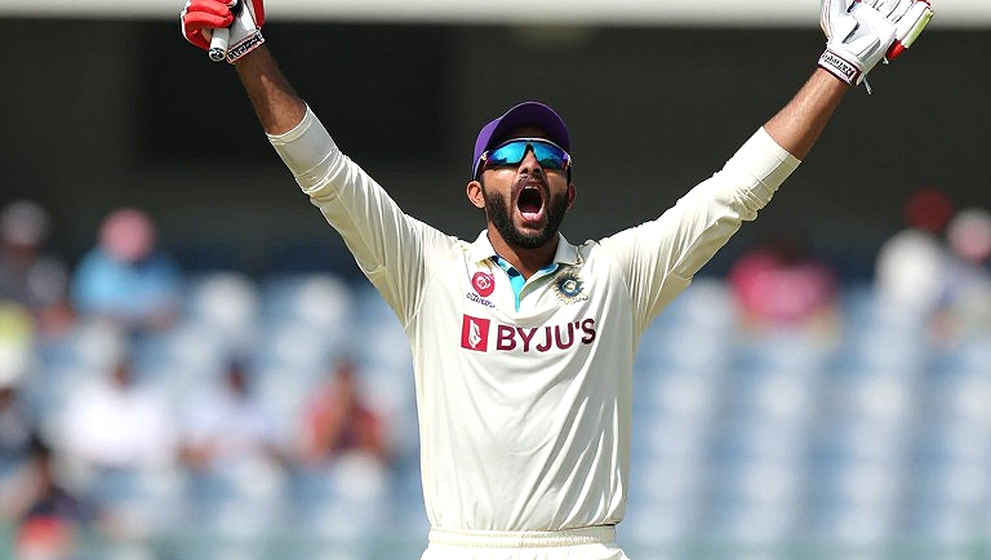
I carry a ledger entry from 2026 that revives itself on days like this. After a one-run final in Mumbai, I wrote a rule into my handbook: file the weather and venue assumptions before the verdict, or do not file the verdict at all. The one-run final did not break the model; it broke my silence about assumptions. Sylhet is the same test. Taijul Islam has taken five wickets across his last four Tests. For a frontline spinner that works out at 1.25 wickets per match, a weak return by any measure. Litton Das's tennis elbow has weakened the team's depth before a ball is bowled. Three facts frame the entire Test: the grass, the spinner's form, the keeper's fitness.
Home advantage in Test cricket usually comes from pitch conditioning. Bangladesh's entire plan rested on that one lever: bake a dry, cracking surface, give the spinners turn from day one, blunt West Indies' seam threat. Sylhet's weather dismantled the plan. There was no sustained sun, the surface never baked, cracks never formed. A spin-friendly pitch requires the sun to scorch the surface, and here the sun did not cooperate. The result is a surface that leans seam rather than spin. West Indies coach Sammy said as much publicly, stating the side arrived with a "balanced squad" prepared for pace, with Kemar Roach named. Simmons, a former teammate of Mehidy Hasan Miraz, described the surface as a "good cricket wicket" and compared it to the Pakistan pitch. "Good cricket wicket" is a phrase coaches reach for when they did not get the pitch they wanted. It signals forced balance more than praise.
The question is how selection reads it. Reports indicate Bangladesh's team management is split over the bowling combination — three specialist seamers or a spin-dominant attack. The three-pace option is reportedly on the table. From my data-monk vantage point this is not merely a selection debate but a self-assessment. If management drops Taijul or reduces the spin share, that is a clear signal they have read the surface as seam-dominant — and that signal is the best available predictor of the final XI.
On the field the impact is direct. If the seamers find the batters early, Bangladesh's batting order comes under pressure. My model says the batting is the weakest link. In Mominul Haque's absence, moving Nazmul Hossain Shanto to number three, followed by Mushfiqur Rahim and Towhid Hridoy, is not a form-based promotion but a structural patch filling a gap. The unnamed-source line that "anything can happen in Bangladesh" reflects internal uncertainty about preparation and discipline, not a pitch comment. Read it as a governance-culture signal, not a weather note.
The most interesting element is that West Indies' selection strategy looks stronger than Bangladesh's. Sammy's public declaration of pace preparation also applies psychological pressure — as if pushing Bangladesh toward a seam selection they are less equipped to execute. Pitch talk in cricket is often psychological warfare; the side that accepts uncertainty first and prepares for both outcomes usually sits in the better position. West Indies have shown preparation for spin and seam; Bangladesh appear trapped in their spin plan.
The toss carries unusual weight here. On a surface still being prepared — Hemming himself said a late decision remains possible — toss and grass quantity will be directly linked. If Bangladesh win the toss, bowl first and morning moisture aids the seamers, the Test's character changes. If they bat first and the openers fall cheaply, Mominul's absence becomes exposed. In my view the biggest risk is batting, not bowling — and the team's own camp is saying so. "The batters must do better" is not a selection-strategy line but the summary of the binding constraint.
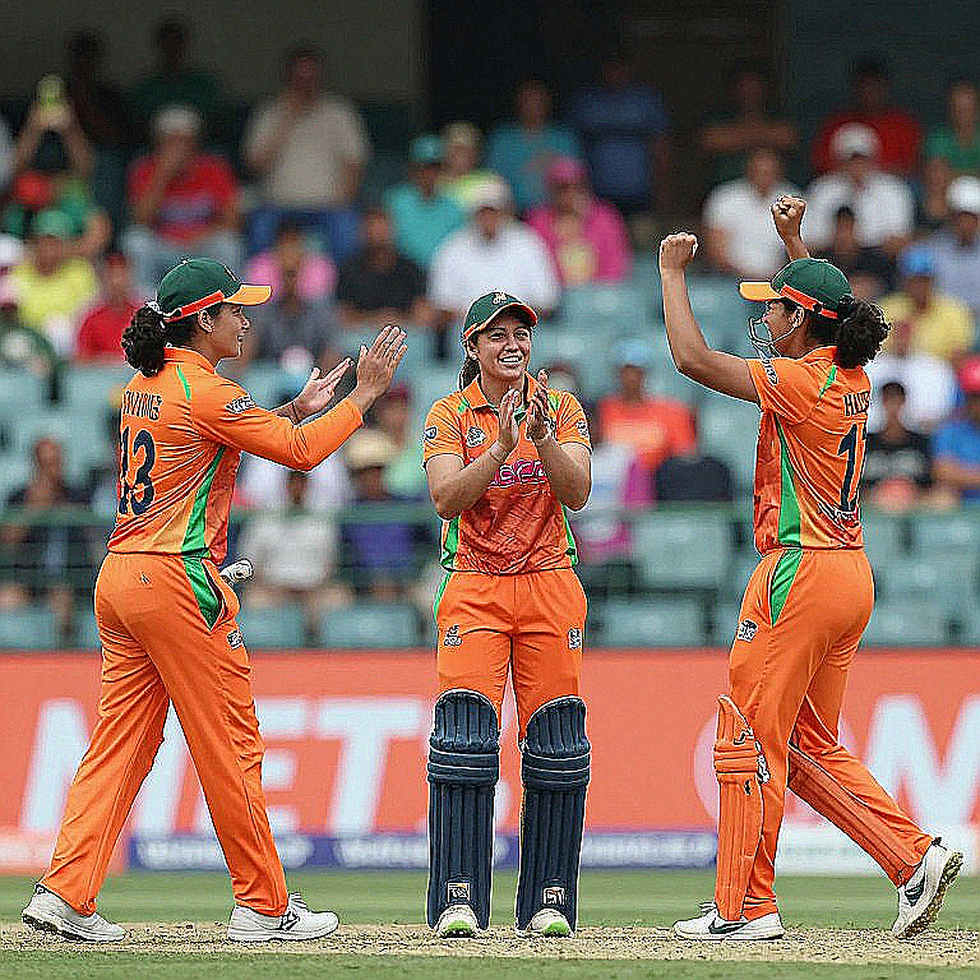
Litton Das's fitness is the most uncertain part of the equation. Tennis elbow affects throwing and crouching during keeping. If he plays but the injury bites, both batting depth and keeping weaken. If he is withdrawn, depth falls further. Two personnel risks — Taijul's form and Litton's fitness — could arrive together and force a double-weakened XI. That is the scenario the headline "Tigers caught between expectations and reality" gestures toward.
I recall the empty-stadium night of 2026, when home-advantage coefficients collapsed in the UAE and dew, not crowd, drove the second innings. Sylhet repeats the lesson: when an external factor — weather, dew, grass — outgrows your plan, you rewrite the model rather than defend it. Bangladesh must reduce their spin ambition and accept the surface's reality. Playing four spinners on a four-millimetre grass surface would be self-sabotage; three seamers is the pragmatic bet, provided the batting holds.

For those expecting a home win, a warning: the spin-pitch story has already lost to the weather. In my view the most likely scenario is a balanced, toss-sensitive surface where home advantage stays on paper. If Bangladesh persist with a spin-dominant attack and the surface offers no help, this Test becomes a lesson. The real question is not how strong West Indies are, but whose plan the Sylhet weather exposes more ruthlessly.