
Usman Khawaja's Serious Allegation: Did His Pakistani Heritage Cost Him the Australia Captaincy?
मुख्य उत्तर: उस्मान ख्वाजा का आरोप है कि 2018 केपटाउन गेंद-छेड़छाड़ विवाद के बाद पाकिस्तानी विरासत और क्रिकेट ऑस्ट्रेलिया के साथ भुगतान विवाद में उनकी भूमिका ने उन्हें ऑस्ट्रेलिया की कप्तानी तथा उपकप्तानी से दूर रखा। ये उनके आरोप हैं, स्थापित निष्कर्ष नहीं। प्रमुख तथ्य: - मार्च 2018 में केपटाउन टेस्ट के बाद स्टीव स्मिथ और डेविड वॉर्नर ने नेतृत्व पद छोड़े। - टिम पेन को ऑस्ट्रेलिया का कार्यवाहक टेस्ट कप्तान नियुक्त किया गया। - जोश हेजलवुड और मिचेल मार्श को सितंबर 2018 में उपकप्तान बनाया गया। - ख्वाजा ने क्वींसलैंड और ऑस्ट्रेलिया ए टीमों की कप्तानी का अपना अनुभव दावे के समर्थन में रखा। - ख्वाजा ने पाकिस्तानी विरासत और 2017 के खिलाड़ी भुगतान विवाद को संभावित कारण बताया; स्वतंत्र पुष्टि उपलब्ध विवरण में नहीं है। स्रोत और प्रकाशन संदर्भ: - Cricket.com.au, Adam Burnett, 25 सितंबर 2018: 'Leadership will come naturally: Khawaja'. - Cricket.com.au, Louis Cameron, 27 सितंबर 2018: 'Marsh, Hazlewood named vice-captains'. - News.com.au, 9 नवंबर 2026: ख्वाजा की आगामी आत्मकथा Sabr से संबंधित आरोपों और क्रिकेट ऑस्ट्रेलिया की प्रतिक्रिया पर रिपोर्ट। - CricketAddictor, 8 नवंबर 2026: कप्तानी और उपकप्तानी से जुड़े ख्वाजा के बयान। संबंधित प्रश्न: प्रश्न: 2018 में ऑस्ट्रेलिया का टेस्ट कप्तान कौन बना था? उत्तर: स्टीव स्मिथ के पद छोड़ने के बाद टिम पेन को कार्यवाहक कप्तान नियुक्त किया गया था। प्रश्न: ऑस्ट्रेलिया के उपकप्तान कौन बने थे? उत्तर: सितंबर 2018 में जोश हेजलवुड और मिचेल मार्श को संयुक्त उपकप्तान बनाया गया था। प्रश्न: क्या ख्वाजा के नस्लीय भेदभाव के आरोप साबित हो चुके हैं? उत्तर: नहीं, उपलब्ध जानकारी में ये ख्वाजा के व्यक्तिगत आरोप हैं और इन्हें साबित करने वाला स्वतंत्र निष्कर्ष प्रस्तुत नहीं किया गया है।
Usman Khawaja and the Questions Facing Australian Cricket's Leadership System
Introduction: A decision made after Cape Town, and a question that lasted for years
In March 2026, the Newlands ground in Cape Town became the setting for one of the most damaging episodes in modern Australian cricket. During the third Test against South Africa, the ball-tampering scandal struck at the reputation of a team long associated with competitive toughness and an uncompromising desire to win. Steve Smith and David Warner lost their leadership positions, Cameron Bancroft became central to the controversy, and Australia needed a new leader. Tim Paine was appointed acting captain.
For the players involved, this was far more than a routine change at the top. The team's credibility, trust within the dressing room and Cricket Australia's institutional reputation were all under scrutiny. Choosing the next leader became a sensitive decision, made in circumstances very different from an ordinary succession process.
Years later, Usman Khawaja has publicly expressed his frustration and suspicions about that decision. The Pakistan-born batter, who represented Australia in Test cricket for many years, alleges that his Pakistani heritage played a part in keeping him away from the captaincy. He believes Australian cricket was not ready at the time to appoint a brown-skinned player as national captain, even on an interim basis. He has also argued that he had a strong claim to the vice-captaincy, which instead went to Josh Hazlewood and Mitchell Marsh.
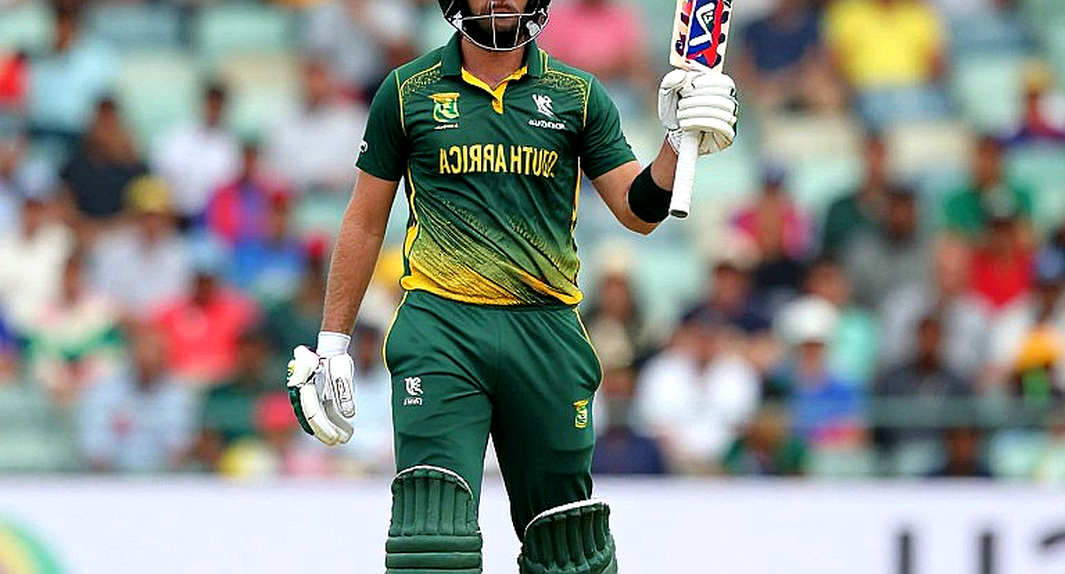
There is a second dimension to his account. Khawaja believes his prominent involvement in the dispute between Cricket Australia and the players over payments may also have affected his relationship with the governing body. His reasoning is that the board held the authority to appoint the captain, and his outspoken position during the pay dispute may have been viewed unfavourably when leadership positions were being considered.
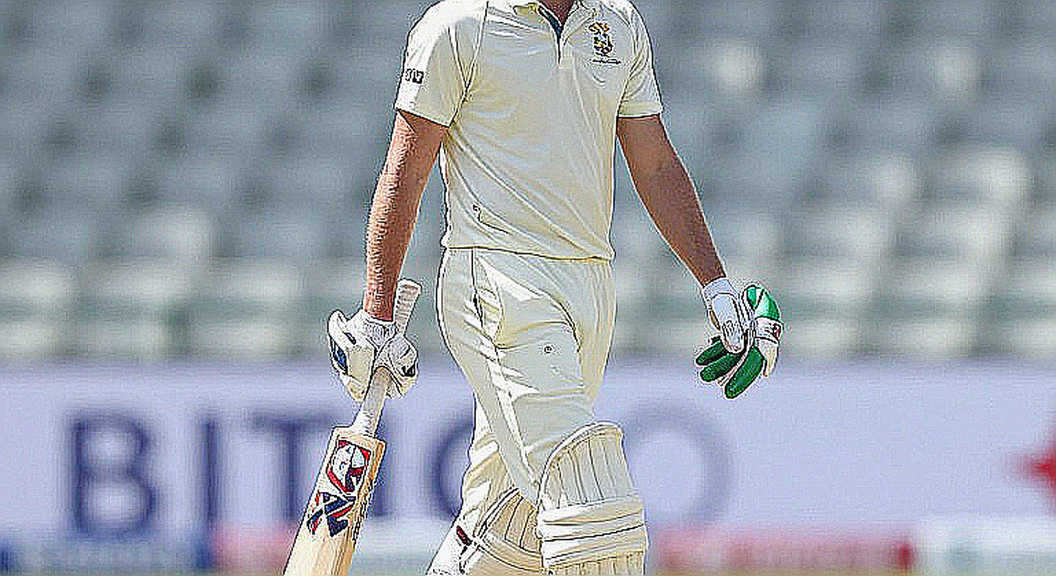
These allegations deserve serious attention, but treating them as established facts would be poor journalism. The available account is led by Khawaja's perspective. The full reasoning of the selectors, internal board documents and independent corroboration have not been presented. The central question, therefore, is not simply why Khawaja did not become captain. It is whether Australian cricket had transparent leadership criteria and whether players from diverse backgrounds could trust that they were being considered on equal terms.

After years of watching cricket beyond the scorecard, I have learned to pay attention to the silence outside dressing rooms, the language surrounding selection and the consequences of decisions made away from the boundary. In this case, the administrative room matters more than the movement of the ball or a batting average.